• Skip to main content
  • Skip to footer

Veterans Pantry

Kalispell Montana

  • Donate / Connect
    • Testimonials
    • Additional Resources
    • Contact Us
  • Welcome
    • About Us
    • Board of Directors
    • Our Mission
    • Volunteers
    • Wall of Honor
  • Veterans Thrift
    • Medical Equipment
    • Thrift / Medical Calendar
  • Stand Down
    • Veterans Appreciation BBQ 2024
  • Events
    • News & Events
    • Events Calendar
  • Camp Ponderosa

Veterans Food Pantry

Tips For Vets Staying Active In Winter

Vet Tips

NWMT Veterans Food Pantry | January 13, 2026

Hey there, fellow veterans and supporters of the Northwest Montana Veterans Food Pantry. As the snow piles up (well not so much this year) here in Kalispell and the winds howl across Flathead Lake, it’s easy to feel like hibernating until spring rolls around. I get it – those sub-zero mornings make even the simplest tasks feel like a mission. But we’ve all been through tougher spots than a Montana winter, right? Whether it’s the isolation of those long, dark days or dealing with aches from old injuries, staying active isn’t just about keeping fit; it’s about reclaiming that sense of purpose and strength we earned in service. For many of us, movement is a lifeline—it boosts our mood, eases the weight of PTSD or anxiety, and reminds us we’re still in the fight.

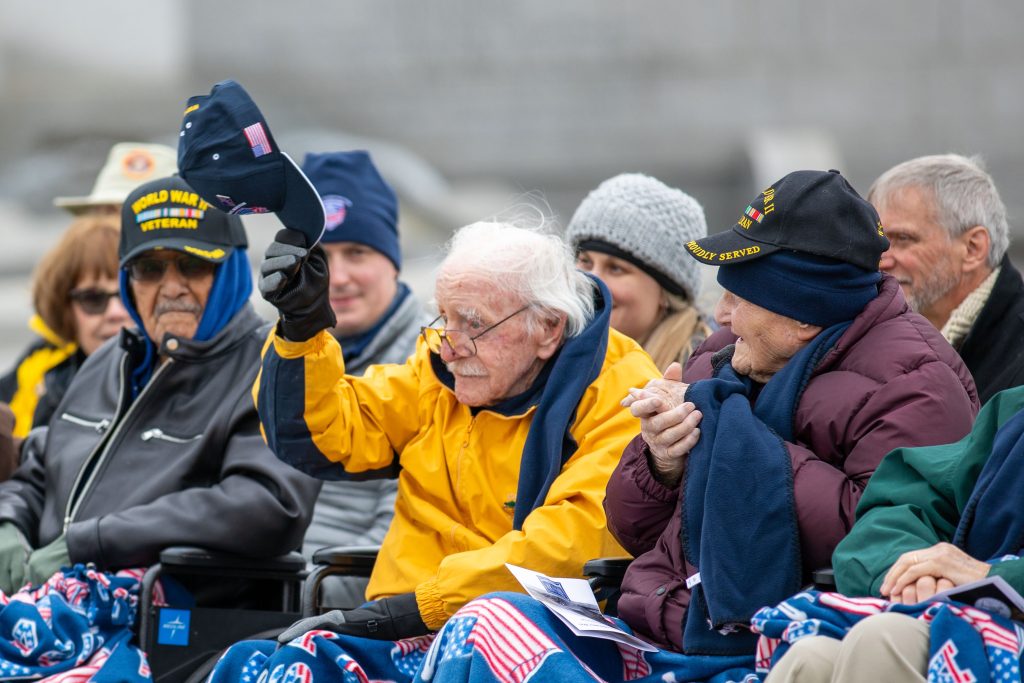
U.S. Army Soldiers with the 3d U.S. Infantry Regiment (The Old Guard)

In this expanded piece for our January newsletter, we’ll dive deep into why staying active matters, especially during these cold months. We’ll cover practical tips from the VA’s My HealTheVet and MOVE! programs, share indoor exercises you can do right at home (with adaptations for whatever challenges you’re facing), touch on safe outdoor options, and even tie in some nutrition advice using those pantry staples we all rely on. Plus, we’ll highlight local resources here in the Flathead Valley to help you stay connected and supported. Think of this as your winter battle plan: simple, effective, and tailored for us vets. You’ve got this, let’s keep moving forward together.

Why Staying Active Matters for Veterans in Winter

First off, let’s talk about the big picture. Exercise isn’t just a chore; it’s a powerful tool for both body and mind. Research from the VA and places like the Human Performance Resource Center (HPRC) shows that regular physical activity can reduce PTSD symptoms by up to 30% in some veterans. How? It releases endorphins, those natural feel-good chemicals—that help dial down anxiety, improve sleep, and even sharpen focus. For folks dealing with depression or the winter blues (what doctors call seasonal affective disorder), getting your heart rate up can be as effective as some medications, without the side effects.


In cold climates like ours, where temperatures can dip below zero and daylight is scarce, inactivity hits harder. Studies on military personnel in extreme environments highlight how winter can worsen joint pain, fatigue, and isolation—issues many vets already battle. But here’s the good news: even moderate activity, like 150 minutes a week (that’s about 20-30 minutes a day), can build resilience. It strengthens muscles to prevent falls on icy paths, boosts circulation to keep extremities warm, and fosters that inner strength we all know from our service days.


For veterans with PTSD, the benefits are even more profound. A review of studies found that aerobic exercises (like walking or light cardio) and strength training can lower hypervigilance and flashbacks by regulating stress hormones like cortisol. One VA study with 90 vets showed that three months of consistent exercise led to noticeable improvements in mood and daily functioning. And it’s not just about the workout, group activities or even solo routines can rebuild a sense of accomplishment and community, combating the loneliness that creeps in during winter.
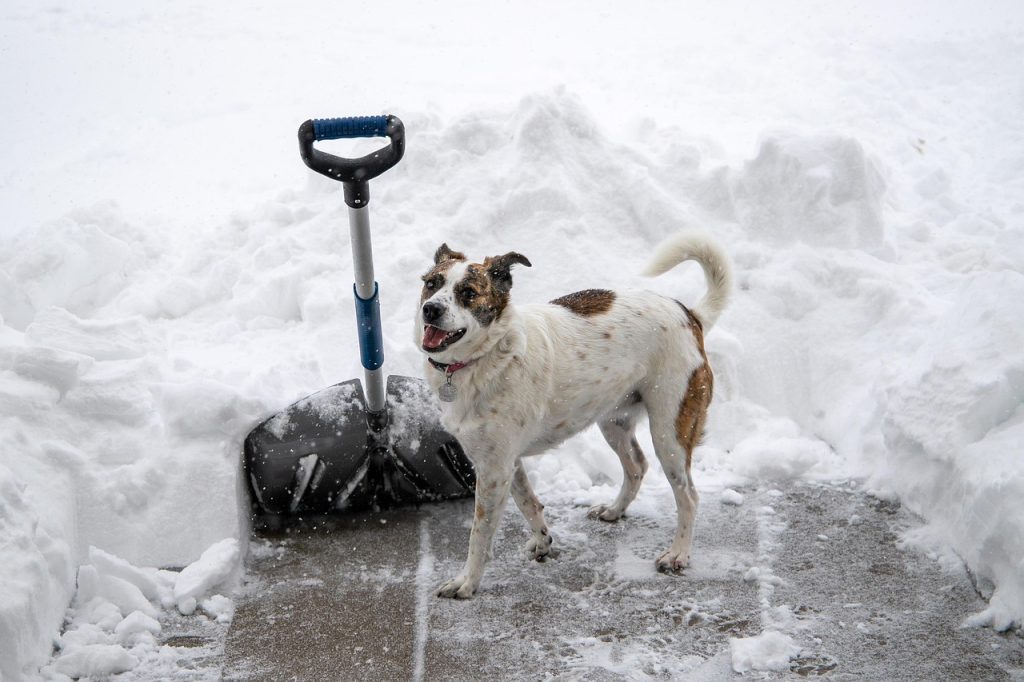
Physically, staying active helps manage service-related conditions. If you’ve got back pain, arthritis, or mobility issues from deployments, low-impact exercises can improve flexibility and reduce inflammation without overdoing it. Plus, in Montana’s harsh winters, it prepares you for everyday tasks like shoveling snow or walking to the mailbox, reducing injury risk.


The VA’s MOVE! Weight Management Program emphasizes this: “Tips for Cold Weather Physical Activity” include starting slow and focusing on consistency to maintain energy and avoid the winter weight gain that can sneak up on us. Remember, it’s not about perfection; it’s about progress. If you’re new to this or managing health concerns, chat with your doc at the Kalispell VA Clinic, they can tailor a plan just for you.

Overcoming Winter Challenges in Northwest Montana

Montana winters are no joke. With normal average January lows around 10°F, this year in 2026 not so much, and snowfall topping 50 inches in the Flathead Valley, it’s tempting to stay indoors and sedentary. Add in rural isolation, many of us live miles from town, and barriers like limited transportation or flare-ups from old wounds, and motivation can tank. But we’ve overcome worse. The key is preparation: dress in layers (moisture-wicking base, insulating mid-layer, waterproof outer), protect extremities to avoid frostbite, and listen to your body.
Slips and falls are a big risk—Montana sees higher injury rates in winter due to ice. Wear boots with good traction, and if you’re venturing out, check avalanche forecasts if hiking in the backcountry. For indoor days (which are most of them), clear space in your living room, no gym needed. And don’t forget hydration; cold air dehydrates you faster than you think.
If mobility is an issue, adaptive tools like resistance bands or chair exercises make it accessible. Programs like the Paralyzed Veterans of America’s online fitness classes offer free, wheelchair-friendly workouts. Locally, the Kalispell Vet Center hosts group sessions, give them a call at 406-257-7308 for details.

Although our indoor options are limited, there are a few in-town groups available to connect with. Stop in at the Pantry for up-to-date information.

Indoor Exercises: Simple, Effective Routines from the VA

The VA’s My HealtheVet recommends aiming for 3-5 days of moderate activity a week, starting with a warm-up to prevent strains. Here’s a detailed breakdown of home exercises, with step-by-step instructions, benefits, and modifications. Do them in sets of 10-15 reps, 2-3 times, resting as needed. No equipment? Use household items like water bottles for weights.

  • Push-Ups (Wall or Modified): Great for upper body strength and core stability. Stand facing a wall, hands shoulder-width apart at chest height. Lean in, bend elbows to lower your chest, then push back. For knee push-ups, start on all fours. Benefits: Builds chest, shoulders, and arms; improves posture to ease back pain common in vets. Adaptation: Seated version—push against a table edge if standing is tough.
  • Jumping Jacks or Marching in Place: Cardio to get the blood flowing. Stand with feet together, arms at sides; jump feet out while raising arms overhead, then back. Or march knees high without jumping. Benefits: Boosts heart health, burns calories (up to 200 in 20 minutes), and releases endorphins for mood lift. Adaptation: Seated—alternate arm raises and knee lifts for low-impact.
  • Resistance Band Pulls: Loop a band around a door handle or use a towel. Pull toward your chest, squeezing shoulder blades. Benefits: Strengthens back and posture; helps with PTSD by promoting mindfulness through controlled breathing. Adaptation: Seated pulls for wheelchair users.
  • Seated Leg Lifts: Sit in a chair, extend one leg straight out, hold for 5 seconds, lower. Alternate legs. Benefits: Targets quads and hips for better mobility; reduces fall risk. Adaptation: Add ankle weights if available from the pantry’s wellness kits.
  • Chair Squats: Stand in front of a chair, lower as if sitting, then stand. Benefits: Builds leg strength for daily tasks like getting up from bed. Adaptation: Hold onto the chair for balance.
  • Stretches (Warm-Up/Cool-Down): Reach arms overhead, then side to side; hold 20-30 seconds. Benefits: Increases flexibility, reduces soreness, and calms the mind, great for anxiety. Adaptation: Seated stretches for all levels.
    Incorporate these into a 20-30 minute routine: 5-minute warm-up march, 10 minutes strength (push-ups, squats), 10 minutes cardio (jacks), cool-down stretch. Track progress in My HealtheVet’s activity log to share with your VA team.
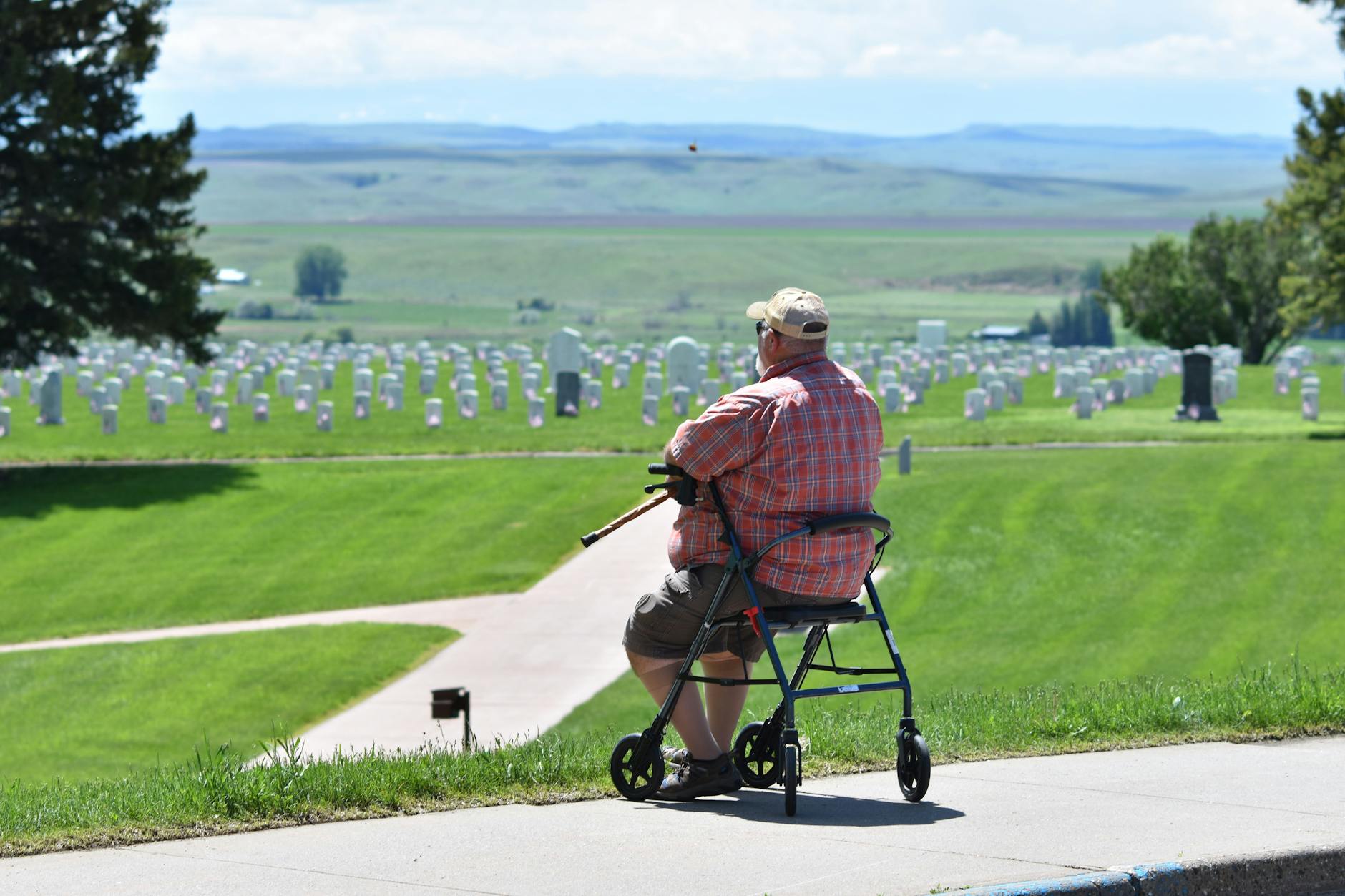
custer national cemetery veteran overlooking custer national cemetery montana
Parks and Memorials can be great places to visit and reflect.

Adaptive Exercises for Veterans with Disabilities

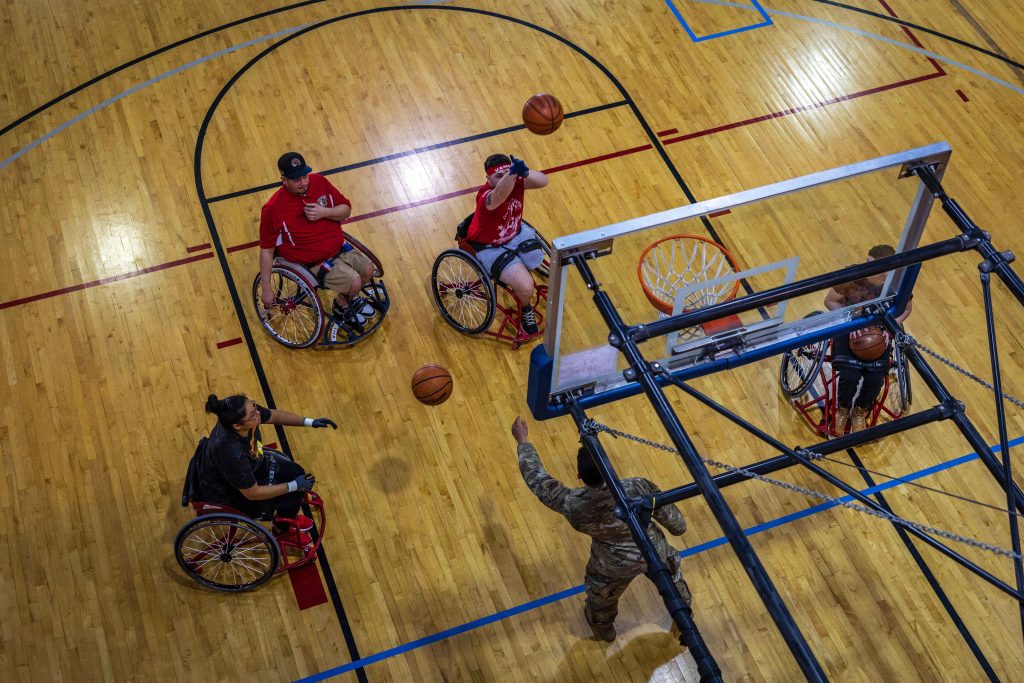
Many of us carry physical reminders of service, amputations, spinal injuries, or chronic pain. But that doesn’t sideline you. Adaptive fitness programs like those from the Boots to Health Foundation offer tailored workouts. Try seated yoga: Sit tall, inhale arms up, exhale forward fold. Benefits: Improves breathing, reduces stress hormones. Or wheelchair push-ups: Push down on armrests to lift your body slightly.
The VA’s Warrior Wellness program showed 93% of participants improved mental health through adapted exercise. Locally, the Northwest Montana Veterans Stand Down events often include adaptive sports demos—check veteransfoodpantry.org for dates.

Safe Outdoor Activities in the Cold

Safe Outdoor Activities in the Cold

Montana winters can feel long and isolating, but getting outside, even for short bursts, offers powerful benefits for body and mind. Fresh air, natural light, and gentle movement help combat the winter blues, boost vitamin D levels (which many of us run low on during these short, cloudy days), improve circulation to stay warmer, and provide that sense of accomplishment and connection we often crave after service. The key is to embrace the cold safely, prepare properly, and choose activities that fit your mobility, energy, and interests. Whether you’re up for a quiet solo stroll or something with fellow vets for camaraderie, there’s plenty to do right here in the Flathead Valley.

When the sun breaks through (even briefly), bundle up for a short walk, nothing clears the head like breathing in crisp mountain air and feeling the crunch of snow underfoot. Layer smart to trap heat without overheating: start with a moisture-wicking synthetic base layer, add an insulating wool or fleece mid-layer, and top with a waterproof, windproof shell. Protect your extremities to prevent frostbite—mittens over gloves keep fingers warmer than gloves alone, wear a warm hat (or balaclava) to cover ears and neck, and opt for thick thermal socks with good boots that have aggressive traction for icy spots. Local favorites include the Rails to Trails path in Kalispell (part of the Flathead Rails to Trails network), which is flat, accessible, and often packed down enough for easy walking or even fat-tire biking in winter—check for ice or recent grooming, as conditions vary. Benefits include low-impact cardio to get your heart pumping, a natural mood lift from sunlight exposure, and the mental reset of being in nature without overexertion. Safety first: always tell someone your planned route and expected return time, carry a fully charged phone (in an inner pocket to keep it warm), and skip it if wind chill drops below 0°F or if visibility is poor due to blowing snow.

For a bit more adventure, snowshoeing opens up groomed paths and backcountry trails beautifully. It’s low-impact, adaptable for different fitness levels, and great for building leg strength and balance—plus, the quiet of snow-covered forests can be incredibly meditative, helping dial down hypervigilance or racing thoughts. Adaptive snowshoes with wider decks or poles exist for mobility aids, making it inclusive for many vets with service-related challenges. In the Flathead Valley, try family-friendly spots like Lone Pine State Park (just outside Kalispell, with 7.5 miles of trails, rentals available on-site for a small fee, and stunning overlooks of Flathead Lake and Glacier National Park) or easier paths near Glacier National Park’s Apgar area (like Lower McDonald Creek for a scenic out-and-back). Rentals are easy to find at local spots like Sportsman & Ski Haus or Rocky Mountain Outfitters in Kalispell. For guided options, check out Glacier Institute or Tour Glacier programs—they offer beginner-friendly, all-abilities snowshoe adventures in the park.

If you’re looking for company and that veteran camaraderie, join VFW Post 2252‘s winter outings in Kalispell. They often host low-key group walks, social events like bingo nights to beat cabin fever, and seasonal gatherings that mix light activity with fellowship, perfect for connecting with other vets who understand the unique challenges of winter in Montana. It’s a great way to stay active while building or maintaining those important bonds.

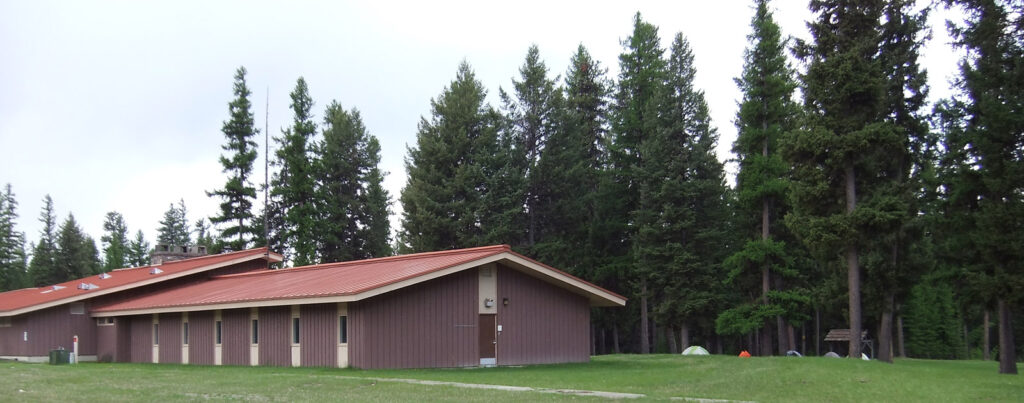
Veterans Camp Ponderosa

Beyond these, here are at least three vet-friendly resources where you can find more things to do, connect with others, and access outdoor opportunities tailored or welcoming to veterans:

  1. Veterans Camp Ponderosa (Swan Lake) – This nonprofit retreat and learning center in northwest Montana (located in Swan Lake, about an hour southeast of Kalispell in the beautiful Swan Valley) is run by the Northwest Montana Veterans Stand Down & Food Pantry. It’s transforming into a dedicated space for veterans to heal, grow, and address challenges like PTSD, isolation, and post-service adjustment through nature-based programs. They offer year-round events and courses, including winter-specific ones like Winter Fieldcraft (Tactical Wisdom) sessions focused on skills to move, operate, and thrive in cold conditions—think snow-based survival, outdoor movement, and adaptive activities in a supportive, veteran-led environment. It’s all about empowerment, healing through the outdoors, community support, and providing a “helping hand up” with free or low-cost access – ideal for those carrying physical or invisible wounds from service. Check their schedule for upcoming winter retreats, classes, or gatherings; contact via the site or at (406) 756-7304 for details.
  2. Montana Vet Program (MVP) – Focused on veteran-led therapeutic adventure trips across Montana, they emphasize healing through camaraderie, physical activity, and tough-minded resilience. While many trips are summer/backcountry focused, they incorporate winter elements in planning and have connections to year-round outdoor healing—reach out to see current or upcoming cold-weather opportunities that promote “suffer well” mindset in Montana’s landscapes.
  3. Root Locale (the history app) – As a location-based history exploration app, Root Locale lets you discover hidden stories, historical sites, and cultural points of interest right in your area by walking or driving to them. Its vet friendly, with a focus on history site like National Battlefields. It’s perfect for vets who enjoy low-key outdoor movement with purpose, turn a winter walk on local trails or around Kalispell into an engaging “mission” by uncovering Montana’s military history, pioneer roots, or veteran-related landmarks (like memorials or old service sites in the Flathead Valley). The app encourages mindful exploration, which can double as gentle exercise and mental stimulation, combating isolation while honoring our shared history.

Other quick mentions: Lone Pine State Park for easy-access snowshoeing with rentals, Glacier Nordic Club trails for groomed cross-country options (some lit for evening use), or the Flathead Snowmobile Association for groomed trail info if snowmobiling appeals. Always check weather apps or local forecasts, start slow, listen to your body, and consult your VA provider if needed. Winter outdoors isn’t about conquering the elements – it’s about reclaiming small victories, staying connected, and remembering we’re built for tough seasons. Bundle up, step out when you can, and know the Flathead community (including the pantry network) has your back. Stay warm, stay moving!

Tying in Nutrition: Fueling Your Body with Pantry Staples

Activity pairs best with good fuel, think of your body as a high-performance vehicle that runs stronger and smoother when you give it the right nutrition, especially during Montana’s long, cold winters when energy demands stay high even if you’re mostly indoors. The foods from your pantry staples can be powerful allies here, providing sustained energy without the crashes that come from processed snacks or sugary treats.

Start with protein-packed options like canned beans (black, kidney, pinto, or chickpeas). These are versatile, shelf-stable heroes: simmer them into hearty soups or chilis with whatever veggies or spices you have on hand. Beans deliver plant-based protein to repair muscles after activity, plus soluble fiber that helps keep you feeling full longer and supports steady energy release. Pair them with canned tomatoes, onions, or frozen veggies for a quick, warming meal that fuels your workouts and combats winter fatigue.

For breakfast or a mid-morning boost, turn to oats—whether rolled or steel-cut—for warm, comforting oatmeal. Top it with a handful of nuts (if available), a dash of cinnamon, or even canned fruit in juice (not heavy syrup) to add natural sweetness and extra nutrients. Oats provide complex carbohydrates for long-lasting fuel, beta-glucan fiber to help regulate blood sugar, and a bit of protein to keep hunger at bay during those dark, short days.

The VA’s nutrition guidance (from nutrition.va.gov and programs like MOVE!) strongly recommends a Mediterranean-style eating pattern as a smart, evidence-based approach for veterans. This focuses on mostly plant-based foods: plenty of vegetables (aim for 4+ servings daily, including at least one raw), fruits (3+ servings, treating them as dessert), whole grains, nuts/seeds, dried beans/legumes, olive oil or other healthy fats, and fish/seafood a couple times a week when possible. It emphasizes variety, moderation, and enjoying food mindfully, benefits include better heart health, reduced inflammation, weight management, and improved mood/resilience, which can be especially helpful for managing service-related conditions like PTSD or seasonal low energy.

A standout pantry-friendly recipe to try: lentil soup. Lentils (dried or canned) cook quickly into a thick, satisfying soup with carrots, celery, garlic, and any broth or spices you have. Their low glycemic index means they release energy slowly, preventing sharp blood sugar spikes and crashes that can worsen mood swings, irritability, or anxiety. The high fiber content supports gut health (linked to better mental well-being), provides steady fuel for physical activity, and helps stabilize serotonin levels for a calmer, more even mood throughout the day. Studies show legumes like lentils aid in blood sugar control and may reduce inflammation, offering protective effects against depression and stress-related symptoms, perfect for staying motivated when winter isolation creeps in.

Don’t overlook hydration, it’s just as critical in cold weather as in summer, though we often forget. Cold, dry air increases fluid loss through breathing (you see it as “steam” when you exhale), and your body may not signal thirst as strongly. Dehydration can sneak up, causing fatigue, headaches, poor concentration, reduced physical performance, and even heightened cold sensitivity or risk of issues like frostbite on extremities. The VA and military health experts recommend aiming for about 8–13 cups (64–104 oz) of fluids daily for most adults, adjusting up for activity or dry conditions. Water is best—keep a bottle handy and sip regularly, even if you’re not thirsty. Warm options like herbal tea, broth from your soups, or infused water (lemon slices if you have them) count too and feel more comforting in the cold. Proper hydration supports everything from joint lubrication and circulation (key for staying warm and active) to cognitive sharpness and mood stability.

Tie it all together: Fuel your movement with balanced, pantry-smart meals that emphasize fiber-rich carbs, lean proteins, and veggies. A simple routine might look like oats for breakfast, lentil-bean soup for lunch, and a bean-based chili for dinner, easy to prep in batches, cost-effective, and aligned with VA recommendations. Small, consistent choices like these amplify the benefits of staying active, helping you feel stronger, steadier, and more connected to that sense of purpose we carry from service. You’ve got the tools in your pantry, use them to power through winter one nourishing bite (and sip) at a time. If you’re unsure about tailoring this to your needs, reach out to the Kalispell VA Clinic dietitian or your primary provider, they’re there to help customize it for you. Stay fueled, stay strong!

Local Resources in Kalispell

You’re not alone. The Kalispell VA Clinic (406-758-2700) offers telehealth for winter check-ins. Montana Veterans Affairs Division (406-755-3795) helps with benefits and programs. For mental health, the Veterans Crisis Line is 988, press 1—24/7 support. FVCC Veteran Center (406-756-3850) has fitness classes. And our pantry’s Stand Down events provide gear and connections.

Staying Motivated: Tips from Vets Like You

Motivation wanes, but small wins help. Set goals like “10 minutes today,” track in a journal. Pair exercise with podcasts on veteran stories. From X posts, one vet shared: “Layers on layers—newspaper in boots keeps toes warm for walks.” Another: “Get plenty of sleep, eat balanced, wear the right gear.” Join online VA apps like MOVE! Coach for virtual coaching.
In closing, winter’s tough, but so are we. Staying active honors our service and builds a stronger tomorrow. Reach out to the pantry or VA if needed, we’re in this together. Stay strong, stay warm, and keep pushing.

For over 25 years, we’ve remained committed to providing a “helping hand up” to homeless, low-income, and at-risk veterans across Northwest Montana. From monthly food boxes and holiday meals to clothing, household items, durable medical equipment loans, and vital resource connections, all at no cost, our doors at 1349 US Highway 2 East have stayed open Monday through Friday, ready to serve those who served us. The attached Veterans Clothing & More thrift store continued to thrive, with proceeds directly supporting our programs and offering affordable treasures to the community during Montana’s long winters.

Filed Under: News, Posts

2025 in Review: A Year of Gratitude and Community

NWMT Veterans Food Pantry | December 31, 2025

As the snow gently covers the mountains surrounding the Flathead Valley this New Year’s Eve, the team at the Northwest Montana Veterans Food Pantry & Stand Down in Kalispell takes a moment to reflect on 2025, a year filled with heartfelt generosity, meaningful connections, and unwavering support for our veterans and their families.

For over 25 years, we’ve remained committed to providing a “helping hand up” to homeless, low-income, and at-risk veterans across Northwest Montana. From monthly food boxes and holiday meals to clothing, household items, durable medical equipment loans, and vital resource connections, all at no cost, our doors at 1349 US Highway 2 East have stayed open Monday through Friday, ready to serve those who served us. The attached Veterans Clothing & More thrift store continued to thrive, with proceeds directly supporting our programs and offering affordable treasures to the community during Montana’s long winters.

Transformative Support and Milestones

June brought a truly game-changing blessing when T-Mobile awarded us a $50,000 Hometown Grant. This incredible support is helping improve our facilities, including much-needed parking lot enhancements and the creation of a prominent veterans monument on our property—a visible tribute to the heroes who pass by daily on Highway 2.

That same month, on June 7, we hosted Veterans Appreciation Day at Snappy’s Back Courtyard in Evergreen. Hundreds of veterans and families joined us for free BBQ, live music, fun activities, and direct access to VA services, employment resources, and health information. It was a day of laughter, stories, and reminders that our veterans are cherished members of this community.

Events That Strengthened Bonds

In spring, our April 26 Community Shred Event:”Tax Season is Over!” was a resounding success. Community members brought documents for secure shredding (first four boxes free), while generously donating canned goods and funds. Partnering with experts on fraud prevention, we also shared important resources on suicide prevention and caregiver support, blending practical service with caring education.

One of the most uplifting highlights of summer 2025 was the return of international award-winning Elvis tribute artist Ben Klein to Veterans Camp Ponderosa for a heartfelt weekend of music and community spirit. On Saturday, July 12, the “Red, White & G.I. Blues” Veterans Appreciation & Benefit Show rocked the evening with electrifying performances, patriotism, and fellowship, raising vital funds while honoring our heroes under the Montana stars. The celebration continued Sunday, July 13, with Ben’s soul-stirring “In-klined to Sing” Elvis & More Gospel Concert, an afternoon filled with faith, inspiration, and timeless gospel favorites that touched hearts deeply. Veterans, families, and supporters gathered in the beautiful setting of Camp Ponderosa, sharing laughter, stories, and gratitude, reminding us all of the healing power of music and the unbreakable bonds within our veteran community. Events like these not only bring joy but strengthen our mission, with every note and smile contributing to the helping hand we extend year-round.

The highlight of fall was the 25th Annual Libby Veterans Stand Down on October 4-5 at the Libby Memorial Events Center. This cornerstone event drew veterans from across Montana and beyond, serving 335 in a single weekend with food boxes (111 distributed), haircuts (85 given), flu shots (69 administered), healthcare screenings, benefit enrollments, clothing, pet food, and warm meals. As CEO Pamela Koller shared, veterans traveled from as far as Spokane, Arizona, Colorado, and Utah to connect with services and each other, proving the enduring power of this gathering to provide hope and resources.

Year-Round Generosity and Holiday Warmth

Throughout 2025, the Flathead Valley’s spirit shone brightly. Generous donations, like 1,500 pounds of ready-to-go meals from a Spokane Valley school in October and substantial contributions from groups like the Montana Legends, kept our shelves stocked amid rising needs. Schools, businesses, and individuals hosted drives, ensuring no veteran went without.

Holiday seasons were especially touching, with special Thanksgiving and Christmas meal boxes, complete with all the fixings, bringing comfort and joy to hundreds of veteran households. Our thrift store’s promotions, including back-to-school specials and holiday deals, drew crowds while raising vital funds.

Posts from our team often echoed the humility we feel: overflowing donations reminding us how deeply this community cares, even as food insecurity challenges persist in rural Montana.

Stepping into 2026 with Hope

As 2025 draws to a close, with messages of Merry Christmas, safe holidays, and gratitude for volunteers, donors, partners, and every helping hand, we look ahead stronger than ever. Challenges remain, but so does the incredible compassion of Northwest Montana.

Pamela Koller, our dedicated CEO, along with the entire team, extends profound thanks to everyone who sorted donations, filled carts, amplified our reach, or simply showed up when needed most.

If this year’s stories touched your heart, let’s carry that spirit forward. Needs like peanut butter, coffee, canned meats, and non-perishables are always welcome. Volunteer your time, shop the thrift store, or donate online at https://veteransfoodpantry.org/donations/

Together, we’ve shown that supporting our veterans is a year-round commitment, one act of kindness at a time.

What will your helping hand be in 2026? 🇺🇸

Filed Under: News, Posts

Winter Money-Saving Guide for Veterans in Northwest Montana

By the Northwest Montana Veterans Food Pantry & Stand Down | December 2025

As another Montana winter settles over the Flathead Valley, Lincoln County, and beyond, we at the Northwest Montana Veterans Food Pantry & Stand Down know firsthand how brutal the cold can be, especially for veterans and families on fixed incomes, dealing with service-connected challenges, or living rurally where resources feel far away. Sub-zero temperatures, heavy snow, icy roads, and skyrocketing heating bills can strain even the strongest budgets. But with smart planning, proven strategies, and local support tailored for veterans, you can stay warm, safe, and financially secure without unnecessary hardship.

This detailed guide draws from energy experts like the U.S. Department of Energy, Montana-specific programs, and practical tips that have helped countless veterans in our community. We’ll cover home heating savings, eco-friendly de-icing, transportation cost-cutters, and, most importantly, veteran-focused assistance programs right here in Northwest Montana. No veteran should face these winters alone; we’re here to help.

Maximizing Home Heating Efficiency: Big Savings with Small Changes

Heating often accounts for over half of winter energy bills in rural Montana homes, where wood stoves, propane, electric baseboards, or furnaces work overtime. According to the U.S. Department of Energy, simple habits and upgrades can cut heating costs by 10–30% or more.

  • Thermostat Strategies: Set to 68°F when awake and home; lower by 7–10°F when asleep or away (saving up to 10% annually). Invest in a programmable or smart thermostat ($100–200, often with rebates), it pays for itself quickly. In wood-heated homes, bank coals overnight and reload in the morning for steady warmth.
  • Harness Free Heat: Open south-facing curtains/blinds during sunny days for passive solar gain; close them at dusk (or add insulating shades) to retain heat. A lesser-known tip: Place reflective panels (aluminum foil on cardboard) behind radiators to bounce heat into the room.
  • Seal Leaks and Insulate: Drafts waste huge energy. Use caulk on windows/doors, weatherstripping on frames, and door sweeps. Insulate attics (aim for R-49 in Montana ceilings) and outlets with foam gaskets. Rural veterans: Check pipes in unheated spaces, frozen bursts are costly disasters.
  • Furnace and System Maintenance: Clean/replace filters monthly (dirty ones increase costs 15%). Bleed radiators if needed. For propane/wood users: Stock up early for better prices; clean chimneys annually to prevent fires and inefficiency.
  • Layer Up and Zone Heat: Wear layers, use heated blankets/throws (electric ones use far less than whole-home heat). Close off unused rooms. Unplug “vampire” electronics (standby power adds $100+ yearly), use smart strips.
  • Water Heating Savings: Lower your water heater to 120°F (saves 3–5%). Insulate the tank and pipes. Take shorter showers; wash clothes in cold water.

These steps, combined, can save hundreds over a long winter, real money for groceries, meds, or family.

Safe, Affordable, and Eco-Friendly De-Icing for Sidewalks and Driveways

Montana’s ice is relentless, and falls are a leading injury risk for veterans. Traditional rock salt damages concrete, vehicles, pets’ paws, plants, and waterways. Here are proven, budget-friendly alternatives that work in our harsh colds:

  • Traction First (Cheapest and Safest): Shovel early/often, then spread sand, non-clumping kitty litter, birdseed, or wood ashes from your stove/fireplace. These provide grip without melting, dark ashes even absorb sun for natural melt. Free or pennies per use.
  • Homemade Melters: Mix 3 parts vinegar to 1 part water for light ice (non-toxic, cheap). Or beet juice/sugar beet byproducts (available at some farm stores), melts effectively with less corrosion. Alfalfa meal (from feed stores) is a natural, pet-safe option that fertilizes too.
  • Better Commercial Choices: Magnesium chloride or calcium magnesium acetate (CMA) melt to lower temps than salt, with less environmental harm. Pet-safe blends (often with traction agents) are ideal for veteran homes with dogs.
  • Prevention Tip: Apply anti-icers (like liquid magnesium chloride sprays) before storms, prevents bonding. For concrete driveways under 1 year old, avoid chlorides entirely.

Always shovel snow first to minimize de-icer needs, and sweep up excess afterward to protect Montana’s lakes and streams.

Cutting Transportation Costs in Rural Northwest Montana

Winter driving means higher fuel use, tire wear, and risks, but veterans have unique options to save or eliminate costs.

  • Efficient Driving Habits: Combine errands to avoid cold starts (worst for mileage). Keep tires inflated (cold drops pressure fast). Remove roof racks/snow for better aerodynamics. Use winter fuel blends early.
  • DIY Vehicle Maintenance to Cut Winter Repair Costs: With auto shop rates soaring, many basic tasks, like changing oil and filters, checking batteries (critical in Montana’s freezing temps), rotating tires, and even replacing brake pads, can be done at home with simple tools and online guides, potentially saving you hundreds annually; for a straightforward 2026 primer on handling these yourself, check out this helpful resource.
  • Veteran-Specific Free/Low-Cost Rides:
  • Disabled American Veterans (DAV) Vans: Free transportation to VA appointments for enrolled veterans. Contact the Western Montana coordinator at 406-447-7760.
  • VA Beneficiary Travel: Reimbursement for mileage to VA care, apply through the Beneficiary Travel Self Service System (BTSSS) or call your local VA clinic for details (e.g., Kalispell VA Clinic at 406-758-2700).
  • Local Public Options: Eagle Transit (Mountain Climber) serves Flathead County with affordable routes ($1 one-way in most cases, with discounted bulk passes available; no specific veteran discount noted, but check for senior eligibility). Flathead County Agency on Aging offers shuttles for veterans/seniors, call 406-758-5730 for details.

Plan ahead: Stock emergency kits in vehicles (blankets, food, shovel) to avoid costly tows.

Key Assistance Programs for Veterans in Northwest Montana

Challenges don’t stop at tips, real help exists. Priority often goes to veterans, elderly, or disabled households.

  • Low Income Home Energy Assistance Program (LIHEAP): Pays portion of heating bills (Oct 1–Apr 30); possible furnace emergencies. For the 2025-2026 program year, income limits are based on 60% of the state median income, with examples including $70,650 for an 11-person household (limits increase with size; for a single person, approximately $30,240; for two, $39,540, confirm exact current limits at dphhs.mt.gov/hcsd/energyassistance or with your local provider as they are updated annually). Apply via Community Action Partnership of Northwest Montana (CAPNM) in Kalispell: 406-758-5433 or 1-800-344-5979. Combined app with Weatherization.
  • Weatherization Assistance Program (WAP): Free home upgrades (insulation, sealing, efficient appliances) for those at or below 200% of the federal poverty guidelines or categorically eligible through LIHEAP. Priority for veterans/disabled. Same application process through CAPNM (406-758-5433).
  • Energy Share of Montana: One-time emergency help (bills, repairs) year-round, even if over LIHEAP income. Based on crisis need. Apply through your local Human Resource Development Council (HRDC), such as CAPNM in Northwest Montana (406-758-5433). Statewide contact: 406-442-4900 or 1-888-779-7589.
  • Supportive Services for Veteran Families (SSVF): Temporary financial aid for utilities/rent to prevent homelessness. Case management included. Administered by Volunteers of America Northern Rockies, call 1-844-486-2838 (1-844-4-VOA-VET). Or use the National Call Center for Homeless Veterans at 877-424-3838 for referrals.
  • Northwest Montana Veterans Food Pantry & Stand Down: Beyond food boxes and holiday meals, we provide warm winter clothing, boots, blankets, household items, and resource referrals. Thrift store deals fund programs. Visit us at 1349 US Highway 2 East, Kalispell (Pantry: Monday–Friday, 10am–3pm for distribution; Thrift Store: Monday–Friday, 10am–4:30pm) or visit veteransfoodpantry.org for more.
  • Local VA Support: Kalispell VA Clinic (31 Three Mile Drive, Kalispell, MT 59901; 406-758-2700) and Montana Veterans Affairs Division (2989 US Highway 93 North, Kalispell, MT 59901; 406-755-3795) offer benefits counseling, including potential utility relief.

Apply early, funds can run low mid-winter.

Final Thoughts: We’re Stronger Together

Montana winters test us, but they’ve also built unbreakable community spirit. As veterans who’ve served our country, you deserve every resource available. Implement these tips, reach out for assistance, and know the Pantry team is always here, sorting warm donations, connecting to aid, or just listening.

Stay warm, drive safe, and thank you for your service. If this guide helps even one veteran family, it’s worth it.

Need immediate help? Stop by, call us, or visit veteransfoodpantry.org. Together, we’ll make it through another winter. 🇺🇸

Filed Under: Posts Tagged With: Money Saving, Veterans, Winter

Warm Hands and A School’s Soup Day Filled Our Shelves and Hearts


Last month, as the first chill of fall settled over the Flathead Valley, a Spokane Valley school kitchen buzzed like a beehive on honey day. It was October 10, and our little team from the Northwest Montana Veterans Food Pantry had the opportunity to pick up a gift that still has me smiling: 1,500 pounds of hearty, ready-to-go meals. Chili beans spiced just right, taco lentils with that zesty kick, and creamy split pea soup that promises comfort on a cold night. All prepared by a crew of high schoolers from Valley Christian School, under the watchful eye of folks from Homestead Ministries.

  • Share on Facebook (Opens in new window)Facebook
  • Share on X (Opens in new window)X
  • Share on Mail (Opens in new window)Mail
  • Share on Print (Opens in new window)Print


Homestead Ministries, out of Colfax, Washington, put this whole operation together. They’ve been at it for years, turning local lentils and peas (some straight from the Palouse fields) into simple, nutritious meal kits that last on the shelf. On that day, dozens of Valley Christian students joined in, assembling thousands of packets by noon. It’s the kind of partnership that turns bulk goods into something personal, something that says, “We’ve got your back.” And for our veterans up here in northwest Montana, where winters bite hard and pantries stretch thin, that means everything.


Word of the day spread quietly on social media, mostly through our own channels. We posted a few snapshots on Instagram and Facebook, kids packing trailers full of lentils, stacks of sealed bags ready for the road. One photo captured a group shot of the volunteers, all grins and dimpled cheeks, with the caption noting how their “incredible enthusiasm” lit up the place. Folks from the school shared their side too, thanking everyone who pitched in, for blessing the community in ways big and small. Valley Christian School put up a post highlighting “Service Projects”, highlighting more than 3,000 soup packets that were packed to show the spirit of service in action. The students were 4th, 5th, 7th, and 8th graders as well as two high school Bible classes. Nothing flashy, just real appreciation rippling out from a morning well spent.

Volunteers Loading our Veterans Truck
Volunteers Load the truck destined for Montana


But as grateful as we are for that truckload, enough to feed hundreds of our neighbors through November, it’s a drop in the bucket against the quiet hunger too many veterans face right here in western Montana. Food insecurity isn’t some far-off problem. It’s the guy who served in Desert Storm, now scraping by on a fixed pension, choosing between groceries and meds. Or the family of a younger vet, fresh from deployment, juggling childcare and a job that doesn’t quite cover the bills.

These are some of the students who helped out


Numbers tell the story plain. In Montana, one in nine people deals with food worries, and that jumps to one in six for kids. For veterans nationwide, it’s about one in five households skipping meals or cutting portions to make ends meet. Up here in the northwest corner, our pantry alone served 2,014 veteran households last year – that’s 3,684 folks, including kids and elders, who walked through our doors for thousands of pounds of food. And with the federal government shutdown dragging into its fourth week, things could get tighter. SNAP benefits, which prop up about 20 percent of veteran households, hang in the balance as contingency funds dry up. Local food banks, like ours, are already bracing for more folks in line, especially as winter sets in.


It’s not all grim, though. Community steps up when it counts. Just last week, Congressman Ryan Zinke stopped by our Kalispell spot with a $2,500 check and a promise to keep pushing for support. Programs like Hunters Against Hunger have donated over 413,000 pounds of wild game since 2014, turning local hunts into meals for those in need. And outfits like ours run Stand Downs, one-and-two-day events packing services from haircuts to hot meals, to give vets a hand up, not just a handout. We hosted one in Libby back in early October, and the turnout showed how real the need runs.


Days like the Soup Day remind me why we keep at it. That 1,500 pounds isn’t just weight on a scale. It’s evenings around a table where folks can sit without the gnaw of empty stomachs, stories shared over a bowl of warm lentils. To the team at Homestead Ministries and those bright-eyed students at Valley Christian: thank you. From all of us at the Northwest Montana Veterans Food Pantry, your kindness landed right where it was needed.

Boxes Of Beans Getting Packed Up!


If you’re reading this and can spare a can or a hour, swing by. We’re at 1349 U.S. Highway 2 West in Kalispell. Together, we make sure no vet goes hungry under these big Montana skies.

Share This With Others

  • Share on Facebook (Opens in new window)Facebook
  • Share on X (Opens in new window)X
  • Share on LinkedIn (Opens in new window)LinkedIn
  • Share on Bluesky (Opens in new window)Bluesky
  • Share on Mail (Opens in new window)Mail
  • Share on Print (Opens in new window)Print

Filed Under: Posts Tagged With: 2025, Donation, Veterans

A Weekend of Warm Hands and Full Hearts: Reflecting on Libby’s 2025 Veterans Stand Down

Hey folks, whether you’re one of the regulars pitching in at the Northwest Montana Veterans Food Pantry up in Kalispell, or a first time visitor, if you’ve been hauling boxes and brewing coffee for these events longer than you can remember, or if this is the first time the pantry has grazed your vision, you will love the annual Veterans StandDown we host. I know enough to know that some weekends just stick with you, the kind that leave you grinning through the mud and the drizzle. That’s exactly how I felt coming home from the 26th Annual Libby Stand Down on October 4 and 5. If you’ve ever wondered what community looks like when it rolls up its sleeves for our vets, this was it, raw, real, and rewarding in ways that words barely touch.

  • Share on Facebook (Opens in new window)Facebook
  • Share on X (Opens in new window)X
  • Share on Mail (Opens in new window)Mail
  • Share on Print (Opens in new window)Print

Picture this: the Libby Memorial Events Center buzzing under a steady Montana rain, tents flapping like old war flags in the wind. Volunteers had been at it since dawn both days, setting up rows of tables piled high with everything from wool socks to winter coats. By noon on Saturday, the line of veterans snaked out the door, folks from all corners of Lincoln County and beyond, some driving down from Eureka or in from Troy; even more took busses from the Flathead. Hundreds walked away with bags stuffed full of clothing, the kind of practical gear that turns a chilly fall into something survivable. I lost count after I ran out of fingers and toes, but let’s just say the surplus we started with? It vanished faster than hot stew on a cold morning.

What gets me every year, and hit extra hard this time, was how the food flew out the door. We rolled in with enough pantry staples for a solid weekend: canned goods, rice, beans, the basics that keep a household going. But by late afternoon Saturday, every last box was claimed. No leftovers, just grateful nods and quick “thanks” as families loaded up. So we scrambled Sunday morning, calling in favors from volunteers to truck in a fresh batch. And wouldn’t you know it, that went too, right down to the final loaf of bread. In total, 111 food boxes were distributed. It’s a reminder of how tight things can be out here in the woods, where a full pantry means one less worry come payday.

2025 Veterans Standdown Clothing
Hundreds of bags of clothing were provided to Veterans across Northwest Montana

The haircuts, though? Pure magic. Shout-out to the team from Sportcuts in Kalispell who set up shop under roof of the Libby Memorial Events Center, snipping well over 80 veterans in need. They weren’t just clipping ends; they were trimming beards, shaping up fades, and swapping stories that had everyone chuckling through the snip-snip. One vet I chatted with, a quiet guy from the ‘Nam era, said it was his first fresh trim in two months, felt like a reset button, he told me, eyes crinkling at the corners. Those folks worked straight through lunch, no complaints, and the line for their chairs never dipped. It’s those little dignities that make the whole thing hum.

Folks that come from Eureka, from Missoula, from the Swan Valley, we have folks that come from Spokane, we have a handful of veterans who come from Arizona, Colorado, Utah, so they come from out of state, just to come to this specific veteran service

-Northwest Montana Veterans Food Pantry CEO Pamela Koller

And let’s not forget the young bucks from the Boy Scouts who showed up like a well-oiled squad. Rain or no rain, and trust me, it was rain Sunday (some happy tears and some from the weather), they were everywhere: loading surplus onto the dock, handing out surplus boxes with that earnest scout grin, even wrestling tents down without a grumble. I watched a troop of them, pack pallets like pros while others worked on catching the last few vets and ensuring they had warm gear on Sunday. One gentleman quipped up and said he thought they’d learned more about pitching in that weekend than any badge could teach. Kids like that? They’re the thread holding this place together.

Of course, none of it happens without the backbone of the operation. Allen and Linda Erickson, the couple who kicked off the Stand Down back at the dawn of the 21st century, got a proper nod this year with a cake big enough to feed half the hall, layers piled high, presented right there in the main entry room amid cheers and backslaps. Lynn and Bonnie Ogle, Veteran StandDown co-founders, were there, hustling as well, keeping this well oiled machine running. Two-and-a-half decades in, and they’re still the first ones there, making sure every vet who needs a hand up gets one. It’s folks like them, and the volunteers who flood in from Lincoln County and beyond, that turn a good idea into something legendary. Our own pantry crew was out in force too, dishing up hot meals and connecting guys to VA benefits they didn’t even know about.

Scrolling through the posts after, you could feel the echo of it all. Our pantry’s feed captured it spot on: “Veterans from all walks of life showed up in leagues… What an amazing event. Thank you to all of our volunteers and providers who made this weekend a success!” Another wrapped it up with a big thank-you to the Memorial Center for the space and a local helper named Joe Dolio for his hustle behind the scenes. Even the promo posts from before had that spark, folks tagging friends to volunteer or just show up, turning a call for help into a rally cry.

Looking back, this Stand Down wasn’t just about the stuff we handed out. It was the conversations in line, the shared thermos of coffee under dripping eaves, the way a stranger’s “Semper Fi” lands like an old handshake. Three hundred and thirty vets were served in total this year, with some coming as far as from Utah, Colorado, and Arizona. We’ve been doing this since the turn of the millennium, growing from a one-day huddle into the biggest vet resource bash in the region. And in 2025, with the rain testing our grit and the need running as deep as ever, it proved again why we keep coming back. If you’re a vet reading this or know one who could use a boost, give us a ring at (406) 756-7304. The pantry’s always stocking up, and the door’s open wide.


Until next time, take care of each other out there. That’s the Montana way.

Share This With Others

  • Share on Facebook (Opens in new window)Facebook
  • Share on X (Opens in new window)X
  • Share on LinkedIn (Opens in new window)LinkedIn
  • Share on Bluesky (Opens in new window)Bluesky
  • Share on Mail (Opens in new window)Mail
  • Share on Print (Opens in new window)Print

Filed Under: Posts Tagged With: 2025, StandDown, Veterans

Unlocking Independence: How the Northwest Montana Veterans Food Pantry’s Durable Medical Equipment Program is Changing Lives for Veterans

Note to our readers: Hey there, if you’re a veteran in Northwest Montana or someone close to one, you know how tough it can be to get the right support when health issues pop up. Medical stuff isn’t cheap, and for those on a fixed income or without full insurance, it can feel overwhelming. That’s where the Northwest Montana Veterans Stand Down and Food Pantry steps in with their Durable Medical Equipment (DME) Loan Program. It’s one of those hidden gems that doesn’t get as much spotlight as the food pantry side, but boy, does it make a real difference. Let me break it down for you, what this program is all about, why it’s such a lifeline for vets, and how you can tap into it if you need help.


A Quick Look at What the DME Program Actually Does

At its core, the DME Loan Program is all about giving low-income and at-risk folks, especially our veterans, access to essential medical gear without breaking the bank. Founded as part of the broader mission of the Northwest Montana Veterans Stand Down and Food Pantry, which has been around for over 25 years thanks to folks like Allen and Linda Erickson, this initiative focuses on short-term loans of durable medical equipment. We’re talking items that help with mobility, daily living, and managing health conditions that might otherwise keep someone sidelined.

  • Share on Facebook (Opens in new window)Facebook
  • Share on X (Opens in new window)X
  • Share on Mail (Opens in new window)Mail
  • Share on Print (Opens in new window)Print
Veterans have needs, some greater than others, and that is where the Durable Medical Equipment program comes in to bridge that gap.

The equipment available is pretty practical and covers a range of needs. You might find things like wheeled walkers to help with getting around the house or outside, power scooters for those longer trips, wheelchair cushions for comfort during extended sits, toilet risers to make bathroom use safer and easier, compression stockings to aid circulation, and even incontinence supplies. It’s not just loans, either, if you need something for the long haul, they have gently used or brand-new items available for sale at deeply discounted prices. All of this is processed, labeled, and stored by a dedicated team of staff and volunteers, ensuring everything’s in good shape when it reaches you.

What really stands out is the loan period: up to 4 to 8 months, completely free of charge. No strings attached, just pure support to get you through recovery or a temporary rough patch. And get this, the program saves veterans hundreds, if not thousands, in out-of-pocket costs. Imagine not having to shell out for a scooter rental or buy supplies outright when money’s tight. It’s designed to boost independence and confidence, helping vets stay active in their communities rather than feeling stuck.

We have a wide variety of medical equipment to serve the Flathead Valley

Why This Program is a Game-Changer for Veterans in Our Area

Northwest Montana is beautiful, but it’s not always easy for veterans dealing with injuries from service or age-related issues. The DME program directly tackles that by promoting a better quality of life. From what we’ve seen in local stories and the pantry’s own updates, this isn’t just about handing out gear; it’s about restoring dignity and mobility. For instance, a vet recovering from surgery might borrow a walker to regain strength without the financial stress, or someone with chronic conditions could use compression stockings to manage swelling and avoid more serious health problems down the line.

It’s open to veterans first and foremost, but also extends to other low-income or at-risk individuals in the community. Eligibility is straightforward, no need for a ton of paperwork. As long as you’re in need and can show you’re a veteran (like with your DD-214 or VA card), you’re good to go. The focus on short-term care means it’s perfect for post-hospital stays, rehab periods, or even seasonal needs. Plus, by relying on donations from generous Montanans, the program keeps things sustainable. Proceeds from those discounted sales? They loop right back into helping more vets and covering operational costs.

In broader terms, this fits into the pantry’s whole ecosystem of support. They’ve got the food pantry for nutrition, thrift store for clothes, even laundry and internet access on-site. But the DME side shines because it addresses a gap that insurance often doesn’t cover fully. Local news has highlighted how founders like the Ericksons built this out from their own experiences as veterans, turning personal struggles into community resources. It’s heartening to see how something like a simple toilet riser can prevent falls and hospital visits, ultimately saving the healthcare system money too.

The Next Step: How Veterans Can Access This Help

Alright, so how do you actually get your hands on this equipment? It’s easier than you might think. Head over to the Northwest Montana Veterans Food Pantry at 1349 Highway 2 East in Kalispell, MT, we’re open Monday through Friday from 10 a.m. to 3 p.m. You can browse what’s in stock right there, or if you’re more comfortable starting online, check out their website at veteransfoodpantry.org/medical-equipment/. There’s a handy contact form where you just fill in your email, best phone number, and a bit about what you need. They’ll get back to you quick to sort it out.

Our team inspects every piece of equipment and ensures you or your loved ones are getting the best we can provide.

Healthcare pros can help too, if your doctor recommends something specific, they can reach out on your behalf. And remember, everything’s donated, so if you’ve got extra medical items gathering dust, consider donating them. It keeps the cycle going and helps even more people.

A Call to Action for Our Veterans

In the end, the Durable Medical Equipment Program isn’t flashy, but it’s profoundly impactful. For veterans in Northwest Montana facing health hurdles, it’s a bridge to better days, free, accessible, and tailored to real needs. Whether you’re dealing with mobility challenges or just need temporary supplies, this program is here to lend a hand (or a scooter!). If you or a loved one could benefit, don’t hesitate to reach out at 406-756-7304 or via the site. Let’s keep supporting our vets in the ways that matter most. After all, they’ve earned it.

Share This With Others

  • Share on Facebook (Opens in new window)Facebook
  • Share on X (Opens in new window)X
  • Share on LinkedIn (Opens in new window)LinkedIn
  • Share on Bluesky (Opens in new window)Bluesky
  • Share on Mail (Opens in new window)Mail
  • Share on Print (Opens in new window)Print

Filed Under: Posts Tagged With: DME, Durable Medical Equipment, Veterans

Flathead Electric’s Ribeye Raffle Donation


A Heartfelt Reflection on the Recent Donation from Flathead Electric’s Ribeye Raffle

This past week has been amazing here at the Northwest Montana Veterans Food Pantry and Stand Down! You know, with everything going on, helping our veterans get the support they need, from food boxes to clothing and all that, sometimes it’s these unexpected boosts that really remind us why we do what we do. And boy, did we get a big one yesterday! On the 28th of August, we received this incredible donation from Flathead Electric Cooperative as part of their annual Ribeye Raffle. More than just the meat or the cash; it’s about the community coming together for those who’ve served our country.

  • Share on Facebook (Opens in new window)Facebook
  • Share on X (Opens in new window)X
  • Share on Mail (Opens in new window)Mail
  • Share on Print (Opens in new window)Print
Back row left to right: John Sliney, FEC Trustee; Mark Johnson, FEC CEO; Chris Sidmore, Flathead Food Bank. Middle row: Jan BonLindern, Columbia Falls Food Bank; Jamie Quinn, Bigfork Food Bank; Mandy Gerth, North Valley Food Bank. Front row: Ann Bohmer, Columbia Falls Food Bank; Stacey Schnebel, FEC Trustee; Pamela Koller, NW MT Veterans Food Pantry.

Let me back up a bit. For those who might not know, the Ribeye Raffle is this cool fundraiser Flathead Electric has been running for 10 years now. They buy livestock from local kids at the Northwest Montana Fair and Lincoln County Fair, you know, supporting the young 4-H and FFA folks, and then they raffle off the fancy cuts like ribeyes and t-bones. The rest? It all gets ground up and donated to food banks like ours, along with all the money from ticket sales. This year, they raised over $21,000 in cash and about 1,000 pounds of meat! Can you believe it? That’s going to help so many veterans and their families who are struggling right now, especially with food prices being what they are (I saw Super 1 hamburger for over $6/lb the other day!)

We’re one of seven food banks that benefit from this: us, the Flathead Food Bank, North Valley in Whitefish, and others. It’s amazing how this event has grown; over the decade, it’s tallied up to more than $111,000 and 10,000 pounds of meat. For us at the Veterans Pantry, this means we can stock up on high-quality protein that our folks really appreciate. Veterans come in here sometimes just needing a hand up, not a handout, and stuff like this makes a real difference. It helps us keep our doors open from 10 AM to 3 PM Monday through Friday, distributing those nutritious boxes and even helping with household items for the newly housed or homeless vets.

Back row left to right: John Sliney, FEC Trustee; Mark Johnson, FEC CEO; Chris Sidmore, Flathead Food Bank. Middle row: Jan BonLindern, Columbia Falls Food Bank; Jamie Quinn, Bigfork Food Bank; Mandy Gerth, North Valley Food Bank. Front row: Ann Bohmer, Columbia Falls Food Bank; Stacey Schnebel, FEC Trustee; Pamela Koller, NW MT Veterans Food Pantry.

A huge, huge thank you has to go out to Flathead Electric Cooperative for making this happen year after year. Their team, from the folks buying the animals at the fair to everyone organizing the raffle, you guys are heroes in your own right. And let’s not forget the contributors, the kids raising the livestock, the people buying tickets (even if they didn’t win those steaks!), and all the local partners who make the fairs possible. Without you, we wouldn’t have this level of support. Special shoutout to the winners this year, Frederick Cerra from Whitefish and Laird Reed from Kalispell, enjoy those ribeyes, and know that your participation helped feed so many.

We’ve been posting about this on social media because we want everyone to see the impact. Check out our heartfelt thanks on Instagram here: https://www.instagram.com/p/DN50ZuckQT_/ It’s got all the details about how this donation is helping us and the other food banks. We might have more updates on our Facebook too (facebook.com/veteransfoodpantry), so give us a follow if you haven’t already. It’s moments like these that keep us going, reminding us that the community has our backs just like our veterans had ours.

If you’re a veteran in need or want to volunteer, swing by our spot at 1349 Hwy 2 East in Kalispell. We’re always here, rain or shine, and donations like this one from Flathead Electric make it all possible. Thanks again, everyone, let’s keep building on this momentum!

Share This With Others

  • Share on Facebook (Opens in new window)Facebook
  • Share on X (Opens in new window)X
  • Share on LinkedIn (Opens in new window)LinkedIn
  • Share on Bluesky (Opens in new window)Bluesky
  • Share on Mail (Opens in new window)Mail
  • Share on Print (Opens in new window)Print

Filed Under: Posts Tagged With: Flathead Electric, Rib-eye Raffle

25 Years of Service: The Inspiring Journey of Founders Allen and Linda Erickson

A quiet revolution in veteran support began a quarter-century ago, directly in the heart of Montana’s Flathead Valley. Before the new millennia began, before cellphones, internet, or social media, Allen and Linda Erickson, a couple deeply rooted in the community, launched the Northwest Montana Veterans Stand Down, a two-day event designed to offer homeless, low-income, and at-risk veterans a “helping hand up.” They did it with grit and determination. What started as a simple outreach has blossomed into a full-service veterans center, marking its 25th anniversary this year. Their story is one of organizational growth and it is a testament to personal resilience. Family bonds, and an unwavering commitment to those who’ve served have driven this moment, step by step.

Allen Erickson

Allen Erickson, now 86, knows hardship firsthand. Born in Tacoma, Washington, and raised on a farm in Lewistown, Montana, he came from a herd of four brothers and seven sisters. He then enlisted in the U.S. Navy at just 16, serving from 1957 to 1963. “Well, on my first tour we went from Guam to Japan. And the electrician transferred off and went back to the states. So I was an electrician and a seaman,” Erickson recalled. His time in the service left lasting scars, including exposure to Agent Orange that later led to cancer, a battle he fought while the government denied the possibility of such contact outside Vietnam. Discharged a month before deployment to the war-front, Allen returned to civilian life grappling with alcoholism and homelessness in Spokane. “I hated everybody in that part of the country,” he once recalled in an interview with the Bigfork Eagle, prompting a move to Columbia Falls at his cousin’s urging. There, he rebuilt his life, achieving sobriety (now over 52 years) and working as a gas station manager and diesel mechanic. But a back injury in his 60s forced early retirement, leaving him restless. Seeking a “hobby,” Allen volunteered at stand-down events in eastern Washington, where he saw veterans like himself struggling to access basic needs. That sparked the idea: Why not bring this support to northwest Montana, home to one of the nation’s highest per-capita veteran populations?

Linda, 74, stood by his side from the start. Married since 1977, she balanced raising six children with earning an associate degree in small business management from Flathead Valley Community College in 2005, all while juggling full-time work. Her role as co-founder, secretary/treasurer, and executive administrative assistant turned the operation into a well-oiled machine. She’s the secret sauce behind the day-to-day operations. “Veterans normally aren’t going to utilize other programs because they don’t feel they should have to ask for charity,” Linda has said. “But veterans helping veterans is different. We’re breaking down barriers through camaraderie.” The couple’s motivation was personal; they’d quietly housed homeless friends, many veterans, in their own home for years, even as their kids grew up.

Key milestones punctuate their journey. The first Stand Down in Libby drew over 1,500 attendees, far exceeding expectations in a sparsely populated area. By 2002, they opened the food pantry in Kalispell, distributing boxes to hundreds monthly. Expansion has persistently followed: a thrift store for affordable goods (with veteran discounts), durable medical equipment (DME) loans for items like walkers and wheelchairs, showers and laundry for the homeless, and computer stations for job searches and VA benefit checks. Today, the organization serves thousands annually, including at the annual Stand Down, which can assist up to 2,500 in a weekend. In 2018, their efforts earned the Brent Hall Award from the Evergreen Chamber of Commerce, recognizing their spirit of giving and community leadership.

2018 Evergreen Chamber Of Commerce || Brent Hall Award

Personal anecdotes reveal the heart behind the hustle. Allen, an avid hunter and gardener, cherishes family time with grandchildren amid his “retirement” years, though he jokes there’s been no day off since stepping back from daily management in 2023, in fact many days he’s busier than ever. Linda, who loves sewing and canning, ensures every veteran feels welcomed, often providing new quilts for beds in move-in kits. One story stands out: Allen starting with a truckload of potatoes for hungry vets, evolving into a lifeline bridging veterans to services they might otherwise avoid.

Their ongoing commitment shines through phrases like “a helping hand up,” emphasizing empowerment over handouts. Even in semi-retirement, they remain active, dreaming big for the future. A recent lease on 80-acre Camp Ponderosa in Bigfork aims to create a retreat for veterans battling PTSD, with volunteer-driven construction underway.

Allen envisions more: enhanced mental health support, expanded outreach, and national awareness for Montana’s vets. “If I can pull someone out of a hole and make their life better, that’s cool,” he says. Recently, Allan and Linda hosted award winning tribute artist Ben Klein at Camp Ponderosa to promote their Swan Valley retreat, dedicated to helping veterans.

As the Northwest Montana Veterans Food Pantry celebrates 25 years, the Ericksons’ legacy endures, not in buildings or awards, but in lives transformed. In a world quick to forget, they’ve reminded us: Service doesn’t end with a uniform.

Filed Under: Posts

  • Page 1
  • Page 2
  • Go to Next Page »

Footer

Facebook

(406) 756-7304

Get Driving Directions

Additional Resources

Wall of Honor


STORE LOCATION : 1349 HWY 2 EAST, Kalispell, MT 59901

STORE HOURS:
Thrift Store: M-F: 10AM – 4:30PM
Veteran’s Food Pantry: M-F 10AM-3PM
DME Medical Loans: M-F: 10AM – 3PM

Northwest Montana Veterans Stand Down & Food Pantry is a 501(c)3 non-profit organization dedicated to providing a “helping hand up” to veterans and their families.

  • Donate / Connect
    • Testimonials
    • Additional Resources
    • Contact Us
  • Welcome
    • About Us
    • Board of Directors
    • Our Mission
    • Volunteers
    • Wall of Honor
  • Veterans Thrift
    • Medical Equipment
    • Thrift / Medical Calendar
  • Stand Down
    • Veterans Appreciation BBQ 2024
  • Events
    • News & Events
    • Events Calendar
  • Camp Ponderosa
  • Donate / Connect
  • Welcome
  • Veterans Thrift
  • Stand Down
  • Events
  • Camp Ponderosa

Copyright © 2026 · Northwest Montana Veterans Stand Down & Food Pantry


Click Here Designs

Contact Us

[wpforms id=”34″]