By the Northwest Montana Veterans Food Pantry & Stand Down | December 2025
As another Montana winter settles over the Flathead Valley, Lincoln County, and beyond, we at the Northwest Montana Veterans Food Pantry & Stand Down know firsthand how brutal the cold can be, especially for veterans and families on fixed incomes, dealing with service-connected challenges, or living rurally where resources feel far away. Sub-zero temperatures, heavy snow, icy roads, and skyrocketing heating bills can strain even the strongest budgets. But with smart planning, proven strategies, and local support tailored for veterans, you can stay warm, safe, and financially secure without unnecessary hardship.
This detailed guide draws from energy experts like the U.S. Department of Energy, Montana-specific programs, and practical tips that have helped countless veterans in our community. We’ll cover home heating savings, eco-friendly de-icing, transportation cost-cutters, and, most importantly, veteran-focused assistance programs right here in Northwest Montana. No veteran should face these winters alone; we’re here to help.
Maximizing Home Heating Efficiency: Big Savings with Small Changes
Heating often accounts for over half of winter energy bills in rural Montana homes, where wood stoves, propane, electric baseboards, or furnaces work overtime. According to the U.S. Department of Energy, simple habits and upgrades can cut heating costs by 10–30% or more.
- Thermostat Strategies: Set to 68°F when awake and home; lower by 7–10°F when asleep or away (saving up to 10% annually). Invest in a programmable or smart thermostat ($100–200, often with rebates), it pays for itself quickly. In wood-heated homes, bank coals overnight and reload in the morning for steady warmth.
- Harness Free Heat: Open south-facing curtains/blinds during sunny days for passive solar gain; close them at dusk (or add insulating shades) to retain heat. A lesser-known tip: Place reflective panels (aluminum foil on cardboard) behind radiators to bounce heat into the room.
- Seal Leaks and Insulate: Drafts waste huge energy. Use caulk on windows/doors, weatherstripping on frames, and door sweeps. Insulate attics (aim for R-49 in Montana ceilings) and outlets with foam gaskets. Rural veterans: Check pipes in unheated spaces, frozen bursts are costly disasters.
- Furnace and System Maintenance: Clean/replace filters monthly (dirty ones increase costs 15%). Bleed radiators if needed. For propane/wood users: Stock up early for better prices; clean chimneys annually to prevent fires and inefficiency.
- Layer Up and Zone Heat: Wear layers, use heated blankets/throws (electric ones use far less than whole-home heat). Close off unused rooms. Unplug “vampire” electronics (standby power adds $100+ yearly), use smart strips.
- Water Heating Savings: Lower your water heater to 120°F (saves 3–5%). Insulate the tank and pipes. Take shorter showers; wash clothes in cold water.
These steps, combined, can save hundreds over a long winter, real money for groceries, meds, or family.
Safe, Affordable, and Eco-Friendly De-Icing for Sidewalks and Driveways
Montana’s ice is relentless, and falls are a leading injury risk for veterans. Traditional rock salt damages concrete, vehicles, pets’ paws, plants, and waterways. Here are proven, budget-friendly alternatives that work in our harsh colds:
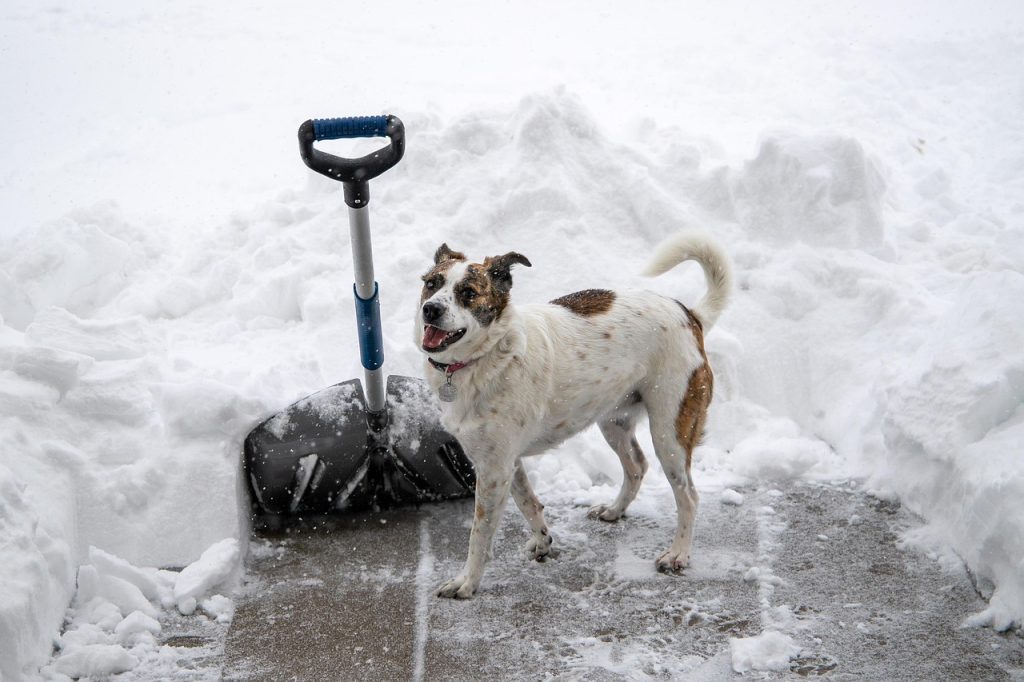
- Traction First (Cheapest and Safest): Shovel early/often, then spread sand, non-clumping kitty litter, birdseed, or wood ashes from your stove/fireplace. These provide grip without melting, dark ashes even absorb sun for natural melt. Free or pennies per use.
- Homemade Melters: Mix 3 parts vinegar to 1 part water for light ice (non-toxic, cheap). Or beet juice/sugar beet byproducts (available at some farm stores), melts effectively with less corrosion. Alfalfa meal (from feed stores) is a natural, pet-safe option that fertilizes too.
- Better Commercial Choices: Magnesium chloride or calcium magnesium acetate (CMA) melt to lower temps than salt, with less environmental harm. Pet-safe blends (often with traction agents) are ideal for veteran homes with dogs.
- Prevention Tip: Apply anti-icers (like liquid magnesium chloride sprays) before storms, prevents bonding. For concrete driveways under 1 year old, avoid chlorides entirely.
Always shovel snow first to minimize de-icer needs, and sweep up excess afterward to protect Montana’s lakes and streams.
Cutting Transportation Costs in Rural Northwest Montana
Winter driving means higher fuel use, tire wear, and risks, but veterans have unique options to save or eliminate costs.
- Efficient Driving Habits: Combine errands to avoid cold starts (worst for mileage). Keep tires inflated (cold drops pressure fast). Remove roof racks/snow for better aerodynamics. Use winter fuel blends early.
- DIY Vehicle Maintenance to Cut Winter Repair Costs: With auto shop rates soaring, many basic tasks, like changing oil and filters, checking batteries (critical in Montana’s freezing temps), rotating tires, and even replacing brake pads, can be done at home with simple tools and online guides, potentially saving you hundreds annually; for a straightforward 2026 primer on handling these yourself, check out this helpful resource.
- Veteran-Specific Free/Low-Cost Rides:
- Disabled American Veterans (DAV) Vans: Free transportation to VA appointments for enrolled veterans. Contact the Western Montana coordinator at 406-447-7760.
- VA Beneficiary Travel: Reimbursement for mileage to VA care, apply through the Beneficiary Travel Self Service System (BTSSS) or call your local VA clinic for details (e.g., Kalispell VA Clinic at 406-758-2700).
- Local Public Options: Eagle Transit (Mountain Climber) serves Flathead County with affordable routes ($1 one-way in most cases, with discounted bulk passes available; no specific veteran discount noted, but check for senior eligibility). Flathead County Agency on Aging offers shuttles for veterans/seniors, call 406-758-5730 for details.
Plan ahead: Stock emergency kits in vehicles (blankets, food, shovel) to avoid costly tows.

Key Assistance Programs for Veterans in Northwest Montana
Challenges don’t stop at tips, real help exists. Priority often goes to veterans, elderly, or disabled households.
- Low Income Home Energy Assistance Program (LIHEAP): Pays portion of heating bills (Oct 1–Apr 30); possible furnace emergencies. For the 2025-2026 program year, income limits are based on 60% of the state median income, with examples including $70,650 for an 11-person household (limits increase with size; for a single person, approximately $30,240; for two, $39,540, confirm exact current limits at dphhs.mt.gov/hcsd/energyassistance or with your local provider as they are updated annually). Apply via Community Action Partnership of Northwest Montana (CAPNM) in Kalispell: 406-758-5433 or 1-800-344-5979. Combined app with Weatherization.
- Weatherization Assistance Program (WAP): Free home upgrades (insulation, sealing, efficient appliances) for those at or below 200% of the federal poverty guidelines or categorically eligible through LIHEAP. Priority for veterans/disabled. Same application process through CAPNM (406-758-5433).
- Energy Share of Montana: One-time emergency help (bills, repairs) year-round, even if over LIHEAP income. Based on crisis need. Apply through your local Human Resource Development Council (HRDC), such as CAPNM in Northwest Montana (406-758-5433). Statewide contact: 406-442-4900 or 1-888-779-7589.
- Supportive Services for Veteran Families (SSVF): Temporary financial aid for utilities/rent to prevent homelessness. Case management included. Administered by Volunteers of America Northern Rockies, call 1-844-486-2838 (1-844-4-VOA-VET). Or use the National Call Center for Homeless Veterans at 877-424-3838 for referrals.
- Northwest Montana Veterans Food Pantry & Stand Down: Beyond food boxes and holiday meals, we provide warm winter clothing, boots, blankets, household items, and resource referrals. Thrift store deals fund programs. Visit us at 1349 US Highway 2 East, Kalispell (Pantry: Monday–Friday, 10am–3pm for distribution; Thrift Store: Monday–Friday, 10am–4:30pm) or visit veteransfoodpantry.org for more.
- Local VA Support: Kalispell VA Clinic (31 Three Mile Drive, Kalispell, MT 59901; 406-758-2700) and Montana Veterans Affairs Division (2989 US Highway 93 North, Kalispell, MT 59901; 406-755-3795) offer benefits counseling, including potential utility relief.
Apply early, funds can run low mid-winter.
Final Thoughts: We’re Stronger Together
Montana winters test us, but they’ve also built unbreakable community spirit. As veterans who’ve served our country, you deserve every resource available. Implement these tips, reach out for assistance, and know the Pantry team is always here, sorting warm donations, connecting to aid, or just listening.
Stay warm, drive safe, and thank you for your service. If this guide helps even one veteran family, it’s worth it.
Need immediate help? Stop by, call us, or visit veteransfoodpantry.org. Together, we’ll make it through another winter. 🇺🇸