NWMT Veterans Food Pantry | January 13, 2026
Hey there, fellow veterans and supporters of the Northwest Montana Veterans Food Pantry. As the snow piles up (well not so much this year) here in Kalispell and the winds howl across Flathead Lake, it’s easy to feel like hibernating until spring rolls around. I get it – those sub-zero mornings make even the simplest tasks feel like a mission. But we’ve all been through tougher spots than a Montana winter, right? Whether it’s the isolation of those long, dark days or dealing with aches from old injuries, staying active isn’t just about keeping fit; it’s about reclaiming that sense of purpose and strength we earned in service. For many of us, movement is a lifeline—it boosts our mood, eases the weight of PTSD or anxiety, and reminds us we’re still in the fight.
In this expanded piece for our January newsletter, we’ll dive deep into why staying active matters, especially during these cold months. We’ll cover practical tips from the VA’s My HealTheVet and MOVE! programs, share indoor exercises you can do right at home (with adaptations for whatever challenges you’re facing), touch on safe outdoor options, and even tie in some nutrition advice using those pantry staples we all rely on. Plus, we’ll highlight local resources here in the Flathead Valley to help you stay connected and supported. Think of this as your winter battle plan: simple, effective, and tailored for us vets. You’ve got this, let’s keep moving forward together.
Why Staying Active Matters for Veterans in Winter
First off, let’s talk about the big picture. Exercise isn’t just a chore; it’s a powerful tool for both body and mind. Research from the VA and places like the Human Performance Resource Center (HPRC) shows that regular physical activity can reduce PTSD symptoms by up to 30% in some veterans. How? It releases endorphins, those natural feel-good chemicals—that help dial down anxiety, improve sleep, and even sharpen focus. For folks dealing with depression or the winter blues (what doctors call seasonal affective disorder), getting your heart rate up can be as effective as some medications, without the side effects.
In cold climates like ours, where temperatures can dip below zero and daylight is scarce, inactivity hits harder. Studies on military personnel in extreme environments highlight how winter can worsen joint pain, fatigue, and isolation—issues many vets already battle. But here’s the good news: even moderate activity, like 150 minutes a week (that’s about 20-30 minutes a day), can build resilience. It strengthens muscles to prevent falls on icy paths, boosts circulation to keep extremities warm, and fosters that inner strength we all know from our service days.
For veterans with PTSD, the benefits are even more profound. A review of studies found that aerobic exercises (like walking or light cardio) and strength training can lower hypervigilance and flashbacks by regulating stress hormones like cortisol. One VA study with 90 vets showed that three months of consistent exercise led to noticeable improvements in mood and daily functioning. And it’s not just about the workout, group activities or even solo routines can rebuild a sense of accomplishment and community, combating the loneliness that creeps in during winter.
Physically, staying active helps manage service-related conditions. If you’ve got back pain, arthritis, or mobility issues from deployments, low-impact exercises can improve flexibility and reduce inflammation without overdoing it. Plus, in Montana’s harsh winters, it prepares you for everyday tasks like shoveling snow or walking to the mailbox, reducing injury risk.
The VA’s MOVE! Weight Management Program emphasizes this: “Tips for Cold Weather Physical Activity” include starting slow and focusing on consistency to maintain energy and avoid the winter weight gain that can sneak up on us. Remember, it’s not about perfection; it’s about progress. If you’re new to this or managing health concerns, chat with your doc at the Kalispell VA Clinic, they can tailor a plan just for you.
Overcoming Winter Challenges in Northwest Montana
Montana winters are no joke. With normal average January lows around 10°F, this year in 2026 not so much, and snowfall topping 50 inches in the Flathead Valley, it’s tempting to stay indoors and sedentary. Add in rural isolation, many of us live miles from town, and barriers like limited transportation or flare-ups from old wounds, and motivation can tank. But we’ve overcome worse. The key is preparation: dress in layers (moisture-wicking base, insulating mid-layer, waterproof outer), protect extremities to avoid frostbite, and listen to your body.
Slips and falls are a big risk—Montana sees higher injury rates in winter due to ice. Wear boots with good traction, and if you’re venturing out, check avalanche forecasts if hiking in the backcountry. For indoor days (which are most of them), clear space in your living room, no gym needed. And don’t forget hydration; cold air dehydrates you faster than you think.
If mobility is an issue, adaptive tools like resistance bands or chair exercises make it accessible. Programs like the Paralyzed Veterans of America’s online fitness classes offer free, wheelchair-friendly workouts. Locally, the Kalispell Vet Center hosts group sessions, give them a call at 406-257-7308 for details.
Indoor Exercises: Simple, Effective Routines from the VA
The VA’s My HealtheVet recommends aiming for 3-5 days of moderate activity a week, starting with a warm-up to prevent strains. Here’s a detailed breakdown of home exercises, with step-by-step instructions, benefits, and modifications. Do them in sets of 10-15 reps, 2-3 times, resting as needed. No equipment? Use household items like water bottles for weights.
- Push-Ups (Wall or Modified): Great for upper body strength and core stability. Stand facing a wall, hands shoulder-width apart at chest height. Lean in, bend elbows to lower your chest, then push back. For knee push-ups, start on all fours. Benefits: Builds chest, shoulders, and arms; improves posture to ease back pain common in vets. Adaptation: Seated version—push against a table edge if standing is tough.
- Jumping Jacks or Marching in Place: Cardio to get the blood flowing. Stand with feet together, arms at sides; jump feet out while raising arms overhead, then back. Or march knees high without jumping. Benefits: Boosts heart health, burns calories (up to 200 in 20 minutes), and releases endorphins for mood lift. Adaptation: Seated—alternate arm raises and knee lifts for low-impact.
- Resistance Band Pulls: Loop a band around a door handle or use a towel. Pull toward your chest, squeezing shoulder blades. Benefits: Strengthens back and posture; helps with PTSD by promoting mindfulness through controlled breathing. Adaptation: Seated pulls for wheelchair users.
- Seated Leg Lifts: Sit in a chair, extend one leg straight out, hold for 5 seconds, lower. Alternate legs. Benefits: Targets quads and hips for better mobility; reduces fall risk. Adaptation: Add ankle weights if available from the pantry’s wellness kits.
- Chair Squats: Stand in front of a chair, lower as if sitting, then stand. Benefits: Builds leg strength for daily tasks like getting up from bed. Adaptation: Hold onto the chair for balance.
- Stretches (Warm-Up/Cool-Down): Reach arms overhead, then side to side; hold 20-30 seconds. Benefits: Increases flexibility, reduces soreness, and calms the mind, great for anxiety. Adaptation: Seated stretches for all levels.
Incorporate these into a 20-30 minute routine: 5-minute warm-up march, 10 minutes strength (push-ups, squats), 10 minutes cardio (jacks), cool-down stretch. Track progress in My HealtheVet’s activity log to share with your VA team.
Adaptive Exercises for Veterans with Disabilities
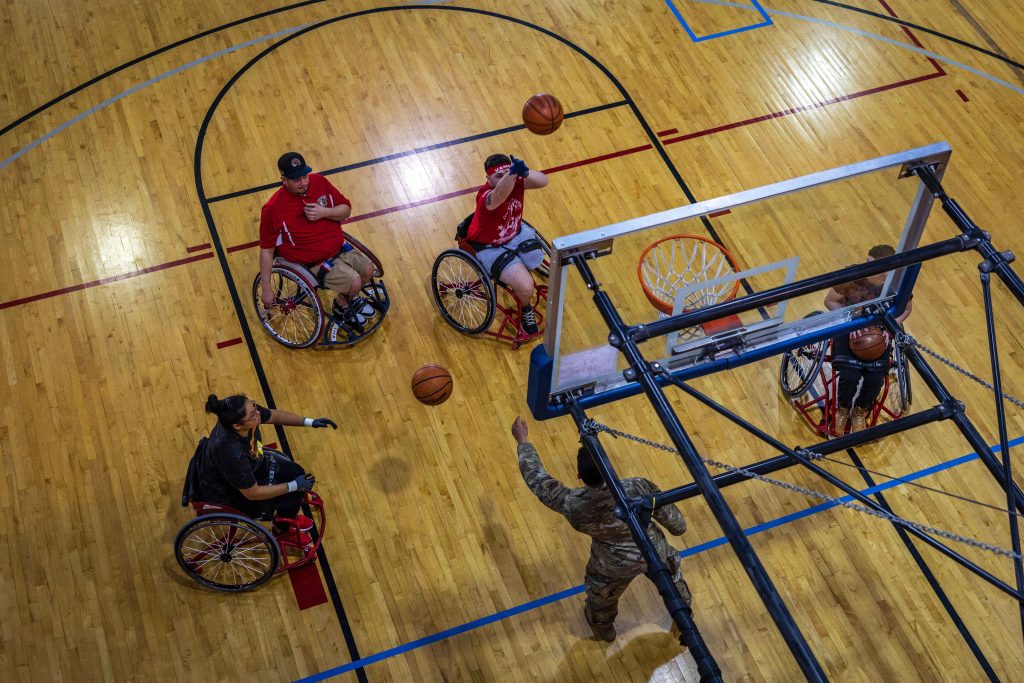
Many of us carry physical reminders of service, amputations, spinal injuries, or chronic pain. But that doesn’t sideline you. Adaptive fitness programs like those from the Boots to Health Foundation offer tailored workouts. Try seated yoga: Sit tall, inhale arms up, exhale forward fold. Benefits: Improves breathing, reduces stress hormones. Or wheelchair push-ups: Push down on armrests to lift your body slightly.
The VA’s Warrior Wellness program showed 93% of participants improved mental health through adapted exercise. Locally, the Northwest Montana Veterans Stand Down events often include adaptive sports demos—check veteransfoodpantry.org for dates.
Safe Outdoor Activities in the Cold
Safe Outdoor Activities in the Cold
Montana winters can feel long and isolating, but getting outside, even for short bursts, offers powerful benefits for body and mind. Fresh air, natural light, and gentle movement help combat the winter blues, boost vitamin D levels (which many of us run low on during these short, cloudy days), improve circulation to stay warmer, and provide that sense of accomplishment and connection we often crave after service. The key is to embrace the cold safely, prepare properly, and choose activities that fit your mobility, energy, and interests. Whether you’re up for a quiet solo stroll or something with fellow vets for camaraderie, there’s plenty to do right here in the Flathead Valley.
When the sun breaks through (even briefly), bundle up for a short walk, nothing clears the head like breathing in crisp mountain air and feeling the crunch of snow underfoot. Layer smart to trap heat without overheating: start with a moisture-wicking synthetic base layer, add an insulating wool or fleece mid-layer, and top with a waterproof, windproof shell. Protect your extremities to prevent frostbite—mittens over gloves keep fingers warmer than gloves alone, wear a warm hat (or balaclava) to cover ears and neck, and opt for thick thermal socks with good boots that have aggressive traction for icy spots. Local favorites include the Rails to Trails path in Kalispell (part of the Flathead Rails to Trails network), which is flat, accessible, and often packed down enough for easy walking or even fat-tire biking in winter—check for ice or recent grooming, as conditions vary. Benefits include low-impact cardio to get your heart pumping, a natural mood lift from sunlight exposure, and the mental reset of being in nature without overexertion. Safety first: always tell someone your planned route and expected return time, carry a fully charged phone (in an inner pocket to keep it warm), and skip it if wind chill drops below 0°F or if visibility is poor due to blowing snow.
For a bit more adventure, snowshoeing opens up groomed paths and backcountry trails beautifully. It’s low-impact, adaptable for different fitness levels, and great for building leg strength and balance—plus, the quiet of snow-covered forests can be incredibly meditative, helping dial down hypervigilance or racing thoughts. Adaptive snowshoes with wider decks or poles exist for mobility aids, making it inclusive for many vets with service-related challenges. In the Flathead Valley, try family-friendly spots like Lone Pine State Park (just outside Kalispell, with 7.5 miles of trails, rentals available on-site for a small fee, and stunning overlooks of Flathead Lake and Glacier National Park) or easier paths near Glacier National Park’s Apgar area (like Lower McDonald Creek for a scenic out-and-back). Rentals are easy to find at local spots like Sportsman & Ski Haus or Rocky Mountain Outfitters in Kalispell. For guided options, check out Glacier Institute or Tour Glacier programs—they offer beginner-friendly, all-abilities snowshoe adventures in the park.
If you’re looking for company and that veteran camaraderie, join VFW Post 2252‘s winter outings in Kalispell. They often host low-key group walks, social events like bingo nights to beat cabin fever, and seasonal gatherings that mix light activity with fellowship, perfect for connecting with other vets who understand the unique challenges of winter in Montana. It’s a great way to stay active while building or maintaining those important bonds.
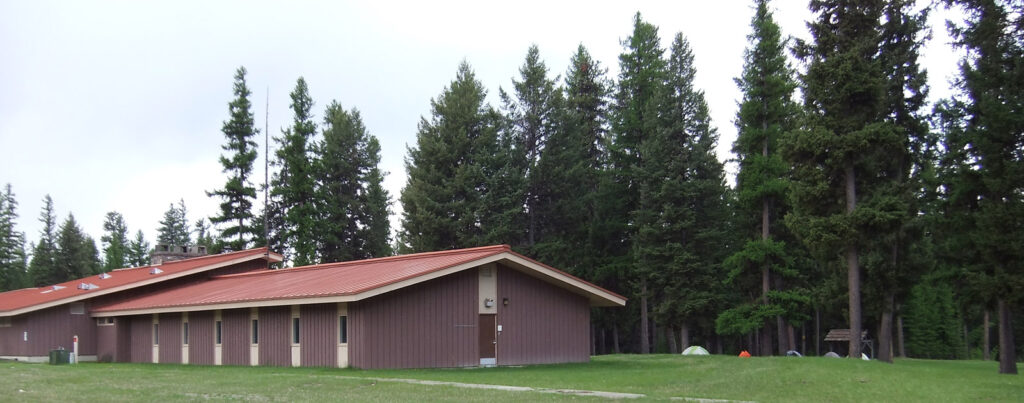
Beyond these, here are at least three vet-friendly resources where you can find more things to do, connect with others, and access outdoor opportunities tailored or welcoming to veterans:
- Veterans Camp Ponderosa (Swan Lake) – This nonprofit retreat and learning center in northwest Montana (located in Swan Lake, about an hour southeast of Kalispell in the beautiful Swan Valley) is run by the Northwest Montana Veterans Stand Down & Food Pantry. It’s transforming into a dedicated space for veterans to heal, grow, and address challenges like PTSD, isolation, and post-service adjustment through nature-based programs. They offer year-round events and courses, including winter-specific ones like Winter Fieldcraft (Tactical Wisdom) sessions focused on skills to move, operate, and thrive in cold conditions—think snow-based survival, outdoor movement, and adaptive activities in a supportive, veteran-led environment. It’s all about empowerment, healing through the outdoors, community support, and providing a “helping hand up” with free or low-cost access – ideal for those carrying physical or invisible wounds from service. Check their schedule for upcoming winter retreats, classes, or gatherings; contact via the site or at (406) 756-7304 for details.
- Montana Vet Program (MVP) – Focused on veteran-led therapeutic adventure trips across Montana, they emphasize healing through camaraderie, physical activity, and tough-minded resilience. While many trips are summer/backcountry focused, they incorporate winter elements in planning and have connections to year-round outdoor healing—reach out to see current or upcoming cold-weather opportunities that promote “suffer well” mindset in Montana’s landscapes.
- Root Locale (the history app) – As a location-based history exploration app, Root Locale lets you discover hidden stories, historical sites, and cultural points of interest right in your area by walking or driving to them. Its vet friendly, with a focus on history site like National Battlefields. It’s perfect for vets who enjoy low-key outdoor movement with purpose, turn a winter walk on local trails or around Kalispell into an engaging “mission” by uncovering Montana’s military history, pioneer roots, or veteran-related landmarks (like memorials or old service sites in the Flathead Valley). The app encourages mindful exploration, which can double as gentle exercise and mental stimulation, combating isolation while honoring our shared history.
Other quick mentions: Lone Pine State Park for easy-access snowshoeing with rentals, Glacier Nordic Club trails for groomed cross-country options (some lit for evening use), or the Flathead Snowmobile Association for groomed trail info if snowmobiling appeals. Always check weather apps or local forecasts, start slow, listen to your body, and consult your VA provider if needed. Winter outdoors isn’t about conquering the elements – it’s about reclaiming small victories, staying connected, and remembering we’re built for tough seasons. Bundle up, step out when you can, and know the Flathead community (including the pantry network) has your back. Stay warm, stay moving!
Tying in Nutrition: Fueling Your Body with Pantry Staples
Activity pairs best with good fuel, think of your body as a high-performance vehicle that runs stronger and smoother when you give it the right nutrition, especially during Montana’s long, cold winters when energy demands stay high even if you’re mostly indoors. The foods from your pantry staples can be powerful allies here, providing sustained energy without the crashes that come from processed snacks or sugary treats.
Start with protein-packed options like canned beans (black, kidney, pinto, or chickpeas). These are versatile, shelf-stable heroes: simmer them into hearty soups or chilis with whatever veggies or spices you have on hand. Beans deliver plant-based protein to repair muscles after activity, plus soluble fiber that helps keep you feeling full longer and supports steady energy release. Pair them with canned tomatoes, onions, or frozen veggies for a quick, warming meal that fuels your workouts and combats winter fatigue.
For breakfast or a mid-morning boost, turn to oats—whether rolled or steel-cut—for warm, comforting oatmeal. Top it with a handful of nuts (if available), a dash of cinnamon, or even canned fruit in juice (not heavy syrup) to add natural sweetness and extra nutrients. Oats provide complex carbohydrates for long-lasting fuel, beta-glucan fiber to help regulate blood sugar, and a bit of protein to keep hunger at bay during those dark, short days.
The VA’s nutrition guidance (from nutrition.va.gov and programs like MOVE!) strongly recommends a Mediterranean-style eating pattern as a smart, evidence-based approach for veterans. This focuses on mostly plant-based foods: plenty of vegetables (aim for 4+ servings daily, including at least one raw), fruits (3+ servings, treating them as dessert), whole grains, nuts/seeds, dried beans/legumes, olive oil or other healthy fats, and fish/seafood a couple times a week when possible. It emphasizes variety, moderation, and enjoying food mindfully, benefits include better heart health, reduced inflammation, weight management, and improved mood/resilience, which can be especially helpful for managing service-related conditions like PTSD or seasonal low energy.
A standout pantry-friendly recipe to try: lentil soup. Lentils (dried or canned) cook quickly into a thick, satisfying soup with carrots, celery, garlic, and any broth or spices you have. Their low glycemic index means they release energy slowly, preventing sharp blood sugar spikes and crashes that can worsen mood swings, irritability, or anxiety. The high fiber content supports gut health (linked to better mental well-being), provides steady fuel for physical activity, and helps stabilize serotonin levels for a calmer, more even mood throughout the day. Studies show legumes like lentils aid in blood sugar control and may reduce inflammation, offering protective effects against depression and stress-related symptoms, perfect for staying motivated when winter isolation creeps in.
Don’t overlook hydration, it’s just as critical in cold weather as in summer, though we often forget. Cold, dry air increases fluid loss through breathing (you see it as “steam” when you exhale), and your body may not signal thirst as strongly. Dehydration can sneak up, causing fatigue, headaches, poor concentration, reduced physical performance, and even heightened cold sensitivity or risk of issues like frostbite on extremities. The VA and military health experts recommend aiming for about 8–13 cups (64–104 oz) of fluids daily for most adults, adjusting up for activity or dry conditions. Water is best—keep a bottle handy and sip regularly, even if you’re not thirsty. Warm options like herbal tea, broth from your soups, or infused water (lemon slices if you have them) count too and feel more comforting in the cold. Proper hydration supports everything from joint lubrication and circulation (key for staying warm and active) to cognitive sharpness and mood stability.
Tie it all together: Fuel your movement with balanced, pantry-smart meals that emphasize fiber-rich carbs, lean proteins, and veggies. A simple routine might look like oats for breakfast, lentil-bean soup for lunch, and a bean-based chili for dinner, easy to prep in batches, cost-effective, and aligned with VA recommendations. Small, consistent choices like these amplify the benefits of staying active, helping you feel stronger, steadier, and more connected to that sense of purpose we carry from service. You’ve got the tools in your pantry, use them to power through winter one nourishing bite (and sip) at a time. If you’re unsure about tailoring this to your needs, reach out to the Kalispell VA Clinic dietitian or your primary provider, they’re there to help customize it for you. Stay fueled, stay strong!
Local Resources in Kalispell
You’re not alone. The Kalispell VA Clinic (406-758-2700) offers telehealth for winter check-ins. Montana Veterans Affairs Division (406-755-3795) helps with benefits and programs. For mental health, the Veterans Crisis Line is 988, press 1—24/7 support. FVCC Veteran Center (406-756-3850) has fitness classes. And our pantry’s Stand Down events provide gear and connections.
Staying Motivated: Tips from Vets Like You
Motivation wanes, but small wins help. Set goals like “10 minutes today,” track in a journal. Pair exercise with podcasts on veteran stories. From X posts, one vet shared: “Layers on layers—newspaper in boots keeps toes warm for walks.” Another: “Get plenty of sleep, eat balanced, wear the right gear.” Join online VA apps like MOVE! Coach for virtual coaching.
In closing, winter’s tough, but so are we. Staying active honors our service and builds a stronger tomorrow. Reach out to the pantry or VA if needed, we’re in this together. Stay strong, stay warm, and keep pushing.
For over 25 years, we’ve remained committed to providing a “helping hand up” to homeless, low-income, and at-risk veterans across Northwest Montana. From monthly food boxes and holiday meals to clothing, household items, durable medical equipment loans, and vital resource connections, all at no cost, our doors at 1349 US Highway 2 East have stayed open Monday through Friday, ready to serve those who served us. The attached Veterans Clothing & More thrift store continued to thrive, with proceeds directly supporting our programs and offering affordable treasures to the community during Montana’s long winters.